
Investing in your outdoor space doesn’t have to mean constantly spending more money to maintain it. In fact, the right new upgrades can do the opposite by reducing waste, improving efficiency, and preventing costly problems before they start. Whether you’re maintaining a backyard garden or managing a larger landscape, smart decisions today can create meaningful savings over time. From improving soil health to modernizing watering methods, these improvements are about working smarter rather than harder.
Many homeowners overlook how much small inefficiencies add up. Overwatering, poor plant selection, and neglected trees can quietly increase expenses year after year. With thoughtful planning, new upgrades can transform those ongoing costs into long-term value. This approach focuses on sustainability, durability, and proactive care, all of which contribute to a healthier outdoor environment and a more manageable budget.
By understanding how each component of your landscape functions, you can make strategic changes that support both plant health and financial stability. These new upgrades aren’t just trends—they’re practical solutions that help ensure your outdoor space remains beautiful, functional, and cost-effective for years to come.
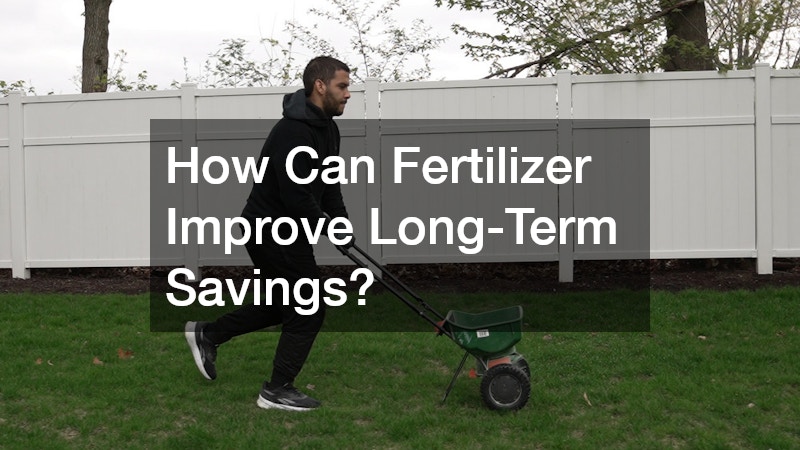
How Can Fertilizer Improve Long-Term Savings?
Understanding Fertilizer Types
Choosing the right fertilizer is one of the most impactful new upgrades you can make for your garden. Different plants require different nutrients, and understanding those needs helps avoid unnecessary spending on ineffective products. Organic options, slow-release blends, and specialty formulas each serve a purpose, and selecting the right one ensures your plants grow stronger with fewer inputs over time.
A visit to a garden plant nursery can help clarify which fertilizer types are best suited for your specific soil and plant varieties. Healthier plants are naturally more resistant to pests and disease, reducing the need for additional treatments. Over time, this leads to noticeable savings while also supporting a more balanced ecosystem in your yard.
Incorporating fertilizer as part of your broader new upgrades strategy ensures that your plants receive consistent nourishment. This reduces the likelihood of plant failure, which can be one of the most expensive setbacks in landscaping.
Cost-Effective Usage
Using fertilizer efficiently is just as important as choosing the right type. Overapplication can damage plants and waste money, while underuse limits growth potential. One of the most practical new upgrades is adopting a measured approach, applying fertilizer based on soil tests and seasonal needs rather than guesswork.
Timing also plays a major role. Applying fertilizer during peak growing periods allows plants to absorb nutrients more effectively, maximizing results with less product. Pairing this with mulch and compost can further enhance nutrient retention, reducing the need for frequent applications.
By refining how you use fertilizer, you create a system that supports long-term growth without constant reinvestment. These small adjustments are a key part of new upgrades that prioritize efficiency and lasting value.
What Should I Look for in a Local Garden Plant Nursery?
Quality of Plants
Selecting plants from a reputable garden plant nursery is another essential step in implementing new upgrades that support long-term savings. High-quality plants are more likely to thrive in your environment, reducing the risk of replacement costs. Look for signs of strong root systems, healthy foliage, and proper labeling to ensure you’re making informed choices.
Plants that are well-suited to your climate and soil conditions require less maintenance overall. This means less watering, fewer treatments, and a reduced need for supplemental fertilizer. Over time, these savings can add up significantly.
Working with knowledgeable staff at a garden plant nursery can also guide you toward plant varieties that align with your goals. This makes your new upgrades more effective by ensuring every addition to your landscape is intentional and sustainable.
Pricing and Discounts
Cost-conscious planning is a major part of successful new upgrades. Many garden plant nursery locations offer seasonal discounts, bulk pricing, or loyalty programs that can help reduce upfront expenses. Taking advantage of these opportunities allows you to invest in quality without overspending.
It’s also worth comparing prices across multiple sources while keeping quality in mind. The cheapest option isn’t always the most cost-effective if it leads to higher maintenance or replacement costs later.
By combining smart purchasing strategies with thoughtful planning, you can stretch your budget further. These financial considerations are an important part of new upgrades that aim to deliver lasting savings rather than short-term fixes.
When Should I Call a Local Arborist?
Routine Assessments for Tree Health
Trees are long-term investments, and maintaining their health is one of the most overlooked new upgrades in landscaping. A local arborist can identify early signs of disease, structural issues, or pest infestations before they become costly problems.
Routine assessments help extend the life of your trees, reducing the need for drastic measures like tree removal. These proactive evaluations are a key part of maintaining a safe and healthy outdoor space while avoiding unexpected expenses.
Incorporating regular visits from a local arborist into your maintenance routine is one of the smartest new upgrades you can make. It ensures your trees remain an asset rather than a liability.
Essential Tree Care Techniques
Professional pruning, soil management, and disease prevention are all services provided by local arborist professionals that contribute to long-term savings. These techniques improve tree structure and health, reducing the likelihood of damage during storms or periods of stress.
Tree care companies often use specialized tools and methods that aren’t easily replicated by homeowners. Their expertise ensures that each intervention supports the overall health of the tree, minimizing the need for corrective work later.
By investing in professional care, you align your landscaping efforts with new upgrades that emphasize prevention and efficiency. This approach not only saves money but also enhances the overall appearance and safety of your property.
What Are the Benefits of a Modern Irrigation System?
Water Conservation Strategies
Upgrading to a modern irrigation system is one of the most impactful new upgrades for reducing water waste. Traditional watering methods often lead to overuse, uneven distribution, and higher utility bills. Newer systems are designed to deliver precise amounts of water where and when it’s needed.
Drip irrigation and smart controllers adjust watering schedules based on weather conditions, ensuring optimal efficiency. This not only conserves water but also promotes healthier plant growth, reducing the need for additional fertilizer and maintenance.
Integrating an irrigation system into your landscape is a forward-thinking choice that aligns with sustainable practices. It’s a clear example of how new upgrades can benefit both your wallet and the environment.
Automated Systems for Ease of Care
Automation is a key feature of modern irrigation system designs. Timers, sensors, and remote controls allow you to manage watering with minimal effort. This reduces the risk of human error and ensures consistent care for your plants.
Automated systems also free up time, making it easier to maintain your landscape without constant oversight. Over time, this convenience translates into better plant health and fewer costly interventions.
As part of your overall strategy, these new upgrades simplify maintenance while delivering measurable savings. They represent a practical step toward a more efficient and manageable outdoor space.
How Can Mulch and Compost Enhance Garden Health?
Long-Term Soil Benefits
Incorporating mulch and compost into your garden is one of the simplest yet most effective new upgrades for improving soil health. These materials enrich the soil with organic matter, helping retain moisture and regulate temperature.
Healthier soil supports stronger plant growth, reducing the need for frequent fertilizer applications. This creates a self-sustaining environment where plants can thrive with fewer external inputs.
Using mulch and compost also helps prevent erosion and suppress weeds, further reducing maintenance costs. These benefits make it an essential component of any long-term savings strategy.
Cost Savings Through Reduced Fertilizer Use
By improving soil quality, mulch and compost naturally decrease reliance on synthetic fertilizer. This not only saves money but also promotes a more balanced ecosystem in your garden.
Applying these materials strategically ensures that nutrients are retained and released gradually, supporting consistent plant growth. Over time, this reduces the need for repeated applications and additional products.
As part of your new upgrades plan, integrating mulch and compost is a low-cost, high-impact solution. It demonstrates how simple changes can lead to meaningful financial and environmental benefits.
Why Hire a Local Tree Service for Maintenance?
Regular Maintenance Benefits
Ongoing maintenance is one of the most practical new upgrades you can implement to avoid large, unexpected expenses. Working with a local tree service ensures that your trees are consistently monitored and maintained, reducing the likelihood of damage or disease spreading unnoticed. Small issues, when caught early, are far less expensive to address than major structural failures.
Routine trimming, debris removal, and health evaluations all contribute to a safer and more stable landscape. These services also improve airflow and sunlight penetration, which benefits surrounding plants and reduces the need for additional fertilizer or corrective care. Over time, these incremental improvements translate into measurable savings.
Another advantage of hiring a local tree service is reliability. Having professionals familiar with your property allows for consistent care tailored to your landscape’s needs. As part of a broader plan of new upgrades, regular maintenance helps preserve the value of your outdoor space while minimizing costly surprises.
Specialized Services Offered
Tree care companies offer a range of specialized services designed to protect your investment. From pest management to structural bracing, these solutions address specific challenges that could otherwise lead to expensive damage. Many tree care companies also provide consultations that help homeowners make informed decisions about long-term care.
Emergency tree removal is another critical service offered when storms or unforeseen events cause immediate hazards. Acting quickly in these situations can prevent damage to property and reduce liability concerns. Having access to emergency tree removal through a trusted provider is an important part of any proactive maintenance plan.
Some tree care companies also assist with tree removal when a tree is no longer viable or poses a risk. While removal can seem like a significant expense, addressing the issue early often costs less than dealing with property damage later. These services highlight how new upgrades focused on prevention can lead to long-term financial benefits.
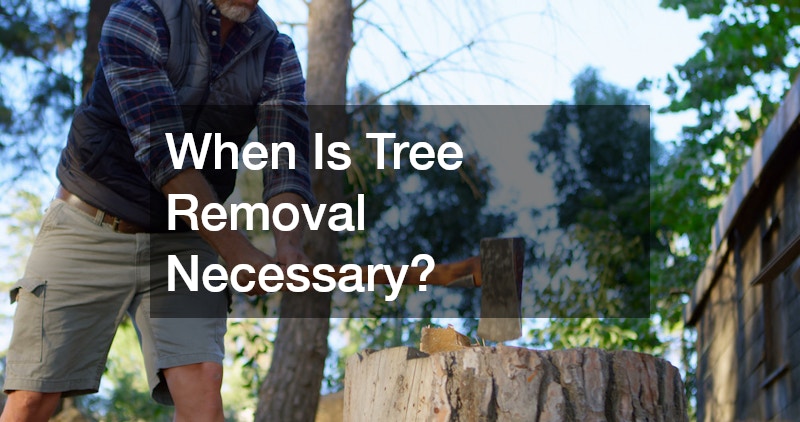
When Is Tree Removal Necessary?
Identifying Dangerous Trees
Recognizing when tree removal is necessary is an essential aspect of responsible landscape management. Trees that show signs of decay, leaning, or structural instability can pose serious risks if left unaddressed. A local arborist can help assess these conditions and determine whether removal is the safest option.
Cracks in the trunk, dead branches, and root damage are all indicators that a tree may be compromised. Ignoring these warning signs can lead to unexpected failures, especially during severe weather. Incorporating regular inspections into your new upgrades strategy ensures that potential hazards are identified early.
Tree removal, while sometimes unavoidable, should always be approached with careful consideration. When handled promptly, it prevents further complications and protects both your property and the surrounding landscape.
Cost of Delaying Tree Removal
Delaying necessary tree removal can significantly increase costs over time. A weakened tree is more likely to fall, potentially causing damage to structures, vehicles, or nearby plants. These scenarios often require emergency tree removal, which can be more expensive than scheduled services.
In addition to physical damage, neglecting tree issues can lead to increased maintenance needs for the rest of your landscape. Pests and diseases may spread, requiring intervention from tree care companies and additional treatments.
By addressing problems early, you align with new upgrades that emphasize prevention and efficiency. Timely action not only reduces risk but also ensures that your landscaping budget remains manageable.
What Should I Know About Firewood Sourcing?
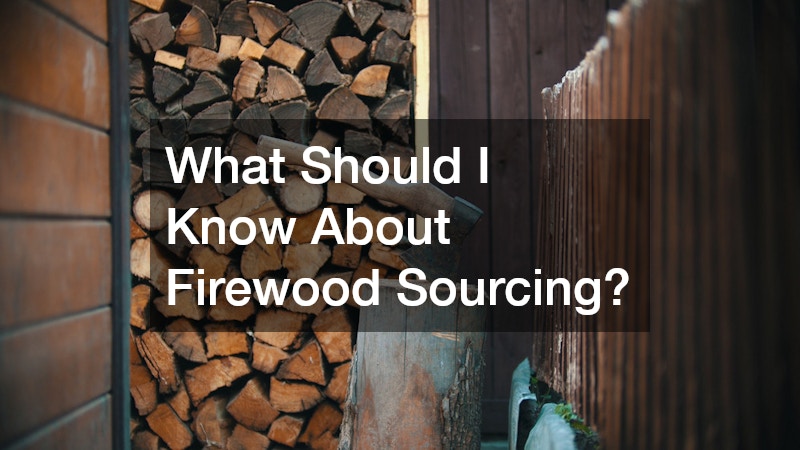
Choosing the Best Firewood
Selecting high-quality firewood is an often-overlooked aspect of new upgrades that support long-term savings. Well-seasoned firewood burns more efficiently, producing more heat with less material. This reduces the amount you need to purchase or gather, lowering overall heating costs.
Hardwoods such as oak or maple are typically more efficient than softer woods, as they burn longer and generate consistent heat. Proper storage is also important, as keeping firewood dry ensures optimal performance and prevents waste.
In some cases, wood from tree removal projects can be repurposed as firewood. This not only reduces disposal costs but also provides a practical resource for future use. Integrating this approach into your new upgrades plan adds another layer of efficiency to your landscape management.
Buying vs. Cutting Your Own Firewood
Deciding whether to buy or source your own firewood depends on time, resources, and access. Purchasing firewood is convenient and ensures consistent quality, but it may come at a higher upfront cost. On the other hand, cutting your own wood—especially from local tree service or tree removal projects—can be more economical over time.
However, sourcing your own firewood requires equipment, labor, and proper seasoning to be effective. Without these steps, the wood may not burn efficiently, leading to wasted effort and reduced savings.
Balancing convenience and cost is key when evaluating this aspect of new upgrades. By considering both options carefully, you can choose a method that aligns with your budget and long-term goals.
By integrating these practices into your routine, you create a landscape that is both resilient and efficient. The true value of new upgrades lies in their ability to reduce waste, streamline maintenance, and prevent avoidable costs. Over time, these benefits compound, resulting in a space that is easier to manage and more enjoyable to maintain. With the right approach, your investment in new upgrades will continue to pay off for years to come.