

Purchasing a new home is one of the most significant financial and personal milestones you will ever achieve. However, as the excitement of closing day settles, a practical reality takes hold: you are now the primary caretaker of an intricate, multi-layered property ecosystem. Unlike renting, where a landlord or maintenance crew responds to late-night plumbing emergencies or roof leaks, the responsibility for maintaining structural integrity, operational efficiency, and outdoor aesthetics falls squarely on your shoulders. A home relies on complex structural framing, complex plumbing networks, high-voltage electrical circuits, and delicate environmental boundaries that protect you from the elements. Understanding how these distinct systems interact is the first step toward successful long-term ownership.
In your first year as a homeowner, the transition from simple occupant to proactive property manager can feel overwhelming. Many fresh buyers fall into the trap of viewing maintenance as a reactive duty—only calling a professional when a pipe bursts, the air conditioner fails in peak summer, or pests invade the attic. Taking a reactive approach dramatically increases long-term repair costs and degrades property value. Building relationships with trustworthy, licensed local tradespeople before emergencies occur is the smartest strategy for preserving equity and ensuring family safety. Professional contractors bring specialized diagnostic equipment, deep regional code knowledge, and trade expertise that cannot be replicated by DIY tutorials. By assembling a reliable network of local home-service experts early on, you create a preventative care framework that safeguards your investment for decades to come.
Structural & Framing Fundamentals

Evaluating Load-Bearing Integrity and Custom Enhancements
The physical foundation and structural envelope form the backbone of your home’s longevity and safety. When moving into a newly acquired property, evaluating the structural framing is vital, especially if you plan to remodel, open up main floor plans, or construct outdoor living additions. Timber elements are subject to load stresses, thermal expansion, and environmental moisture over time. For home additions requiring specialized load-bearing design, heavy timber framing, or rustic architectural detailing, bringing in a specialized timber frame construction company guarantees that structural joints and heavy beam spans meet rigid engineering standards while enhancing aesthetic appeal. Professional timber specialists understand how to blend traditional heavy-timber joinery with contemporary building envelopes, providing unmatched durability and structural character.
In addition to internal framing, the exterior roof structure serves as your building envelope’s first line of defense against severe weather, falling debris, and moisture intrusion. Annual overhead inspections are critical because even minor shingle uplift or compromised flashing around chimneys can allow water to seep undetected into attic insulation and ceiling framing. Partnering with established roofing contractors provides peace of mind through detailed, multi-point structural assessments. These experts utilize thermal imaging and aerial diagnostics to detect hidden moisture pockets, evaluate shingle degradation, and reinforce weak valley points long before leaks appear inside your living space.
- Key Structural Indicators: Inspect attic rafters annually for signs of moisture staining, wood rot, sagging ridge lines, or compromised truss plates.
- Proactive Flashing Care: Ensure that chimney seals, plumbing vent boots, and roof valley flashings are re-caulked or replaced every few years to avoid subterranean framing damage.
- Engineering Assessments: Always consult structural framing specialists before removing interior walls or planning heavy overhead roof additions.
Site Utility & Waste System Preservation
Safeguarding Underground Infrastructure and Water Quality
Beyond the visible structure of your house, the subterranean utility infrastructure requires constant monitoring and routine professional servicing. Homes operating on private, self-contained sanitation systems require careful management to ensure subterranean absorption fields remain functional and free of biological clogs. Mismanaging organic waste disposal, flushing non-biodegradable products, or neglecting system pumping leads to catastrophic backups and costly drain-field failures. Scheduling periodic inspections with a licensed septic tank company ensures that solid waste sludge levels are accurately measured, effluent filters are cleaned, and mechanical baffles remain fully functional.
Parallel to waste management is the health and safety of the water flowing directly into your kitchen and bathrooms. Municipal water supplies and private wells frequently contain dissolved hard minerals, residual disinfectant chemicals, heavy metals, or microscopic sediments. Over time, these impurities degrade copper and PEX piping, corrode water heater elements, stain bathroom fixtures, and leave unwanted taste and odor. Investing in professionally engineered home water filtration systems removes harmful contaminants right at the main shut-off point. Whole-house water filtration shields internal plumbing from mineral scaling while delivering crisp, clean water to every tap across the residence.
- Sanitation Pumping Intervals: Plan to have your subterranean waste holding tank measured and professionally pumped every three to five years, depending on household occupancy size.
- Filtration System Upgrades: Select multi-stage filtration solutions incorporating sediment pre-filters, activated carbon blocks, and reverse osmosis for targeted contaminant removal.
- System Warning Signs: Slow-draining sinks, sewage odors near drain fields, or persistent white scale buildup on faucets indicate urgent utility maintenance needs.
Indoor Climate Control & Health Defense
Maximizing Heating Performance and Pest Control
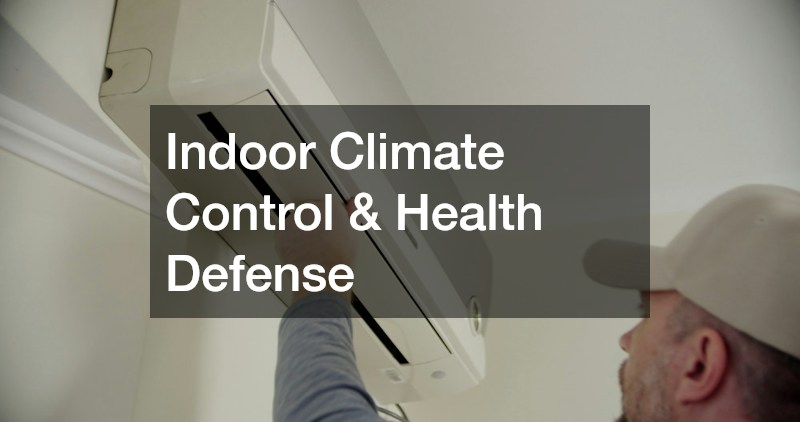
Maintaining a comfortable, healthy indoor living environment requires total command over thermal regulation and pest control. Modern HVAC equipment is engineered to deliver precise temperature management and humidity balance, but it relies heavily on routine mechanical recalibration, electrical component testing, and burner cleaning. Partnering with a fully certified heating contractor ensures your furnace or heat pump operates at peak fuel efficiency when cold weather arrives. Annual furnace servicing prevents dangerous carbon monoxide leaks, extends compressor life, reduces monthly utility expenditures, and preserves internal manufacturer warranties.
- Seasonal Filter Replacement: Swap standard HVAC intake filters every 30 to 90 days to protect blower motors and preserve healthy indoor air circulation.
- Thermostat Calibration: Ensure digital heating controllers are calibrated correctly and test emergency heat strip functionality prior to winter months.
- Duct System Integrity: Have hidden duct runs inspected periodically for air leaks, dust accumulation, and mold spores.
In tandem with thermal management, keeping unwanted biological invaders out of living areas is paramount for maintaining residential hygiene and structural security. Subterranean termites, Carpenter ants, rodents, and destructive boring insects can quietly chew through structural wood, insulation layers, and electrical wiring concealed inside interior walls. Attempting to deal with infestations using over-the-counter sprays often scatters colonies rather than eliminating them at the source. Hiring a licensed exterminator guarantees a thorough evaluation of exterior foundation perimeters, attic spaces, and crawlspaces. Professional pest controllers apply targeted, environmentally responsible barrier treatments and implement preventative pest management strategies tailored specifically to your region’s local wildlife threats.
Architectural Interiors & Surface Refinement
Upgrading High-Traffic Flooring and Maximizing Natural Light
The interior architecture of your home should combine daily physical durability with clean visual appeal. Ground-level spaces, basements, open-concept living rooms, and modern garage bays endure heavy foot traffic, moisture exposure, and mechanical abrasion. Standard surface treatments like traditional floor paint or cheap thin-set tiles often crack, peel, or chip under heavy usage. Working with an experienced concrete polishing company enables you to transform raw interior slab surfaces into ultra-durable, highly polished decorative floors. Mechanically ground and sealed concrete floors provide an airtight, dust-free, seamless surface that resists staining, reflects natural light, and requires minimal daily maintenance.
To complement polished floors and maximize interior brightness, maintaining high-transparency glass surfaces across all windows and skylights is essential. Over time, exterior windows accumulate mineral deposits, hard-water spotting, airborne pollen, sap, and oxidation films that degrade clarity and reduce overall solar heat gain during winter months. Entrusting window cleaning to trained professionals eliminates the risk of working on dangerous multi-story ladders while ensuring that specialized glass panes, soft-coat low-E coatings, and screen frames are safely washed without scratching or breaking window seals.
- Polished Slab Benefits: Polished concrete eliminates allergen accumulation, reduces floor replacement costs, and withstands high moisture without buckling or warping.
- Glass Maintenance Schedule: Schedule comprehensive exterior glass washing twice a year to clear environmental films and inspect window frame caulking for air gaps.
- Window Seal Preservation: Professional cleaning prevents acidic mineral buildup from permanently etching glass panes and degrading surrounding perimeter seals.
Exterior Landscaping & Ground Optimization
Engineering Outdoor Living Spaces and Soil Protection
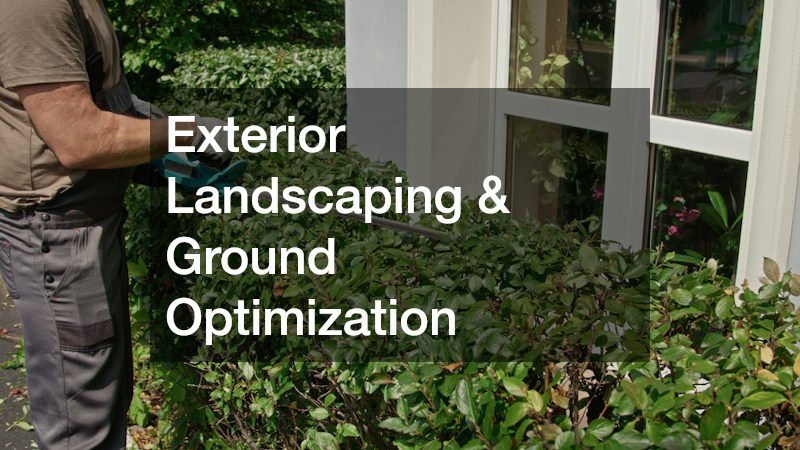
A home’s outdoor living space represents a massive portion of its total functional usable area and overall curbside visual identity. Properly managing site slopes, soil erosion, and plant bed nutrition keeps outdoor zones accessible, functional, and visually striking. When expanding outdoor entertainment areas, installing retaining walls, or laying stone paver walkways, coordinating with a skilled hardscaping contractor ensures that sub-grade base preparation, soil compaction, and drainage channels are properly engineered. Incorrectly built patio structures or poorly sloped retaining walls can trap groundwater against your foundation wall, causing basement moisture leaks and structural shifting.
Once physical stone elements and grading structures are in place, keeping wide garden beds, soil slopes, and tree roots protected from erosion requires deep layers of organic ground cover. Spreading tons of bulk mulch manually using wheelbarrows, shovels, and rakes requires immense physical effort and often results in uneven application thickness. Utilizing a professional bark blower service allows hundreds of yards of organic mulch or ground cover to be placed precisely around delicate plant beds and distant slopes in a fraction of the time. High-volume pneumatic mulch application delivers uniform depth, prevents weed growth, retains vital soil moisture, and protects your landscape investment from seasonal soil erosion.
- Grade and Slope Checks: Verify that all hardscape installations slope away from foundation walls at a minimum grade of one inch per 10 feet.
- Ground Cover Depth: Maintain a consistent two-to-three-inch layer of organic mulch across plant beds to regulate soil temperatures and protect plant roots.
- Drainage Channels: Incorporate gravel swales, catch basins, and French drains into your hardscape plan to redirect heavy stormwater away from high-traffic zones.
Master Contractor Management Framework
Vetting, Bidding, and Maintaining Long-Term Vendor Partnerships
Managing multiple home-service professionals requires a structured approach to communication, record-keeping, and contract verification. As a new homeowner, establishing a firm administrative process before signing agreements saves you from unexpected financial disputes, incomplete work, or poor craft quality.
1. Verification and Licensing Protocol
Never hire any trade specialist based purely on a cheap quote or an informal verbal agreement. Before granting access to your home or site, systematically verify credentials:
- Demand written proof of active General Liability Insurance (minimum $1,000,000 policy coverage).
- Verify active Workers’ Compensation Insurance coverage to protect yourself from liability if an installer is injured on your land.
- Cross-check state and local trade license databases to confirm the contractor is in good standing without unresolved complaints.
2. Standardized Bidding and Itemized Contracts
When soliciting proposals for major upgrades or property repairs, obtain a minimum of three independent written bids:
- Ensure each proposal breaks down material costs, labor fees, permitting fees, and cleanup costs line by line.
- Avoid contracts with vague language like “upgrade plumbing as needed.” Require specific brand names, model numbers, and material dimensions.
- Establish clear milestone-based payment schedules. A typical structure involves a 10% to 20% deposit upon contract signing, progress payments tied to verified completion stages, and a final 10% holdback released only after a thorough final walkthrough.
3. Maintaining Your Home Maintenance Ledger
Organization is the cornerstone of effective property management. Create a centralized digital folder and physical binder to store all documentation related to home service providers.
Protecting Your Investment for the Long Haul

Taking ownership of a home is a rewarding journey, but maintaining its value, efficiency, and security requires consistent care and professional collaboration. By viewing your property as an integrated ecosystem, you can transition from stressful reactive repairs to a structured preventative maintenance strategy. The initial time spent researching, vetting, and building relationships with reliable local contractors pays significant dividends over the life of your home.
Partnering with certified experts across all core areas—from structural framing and roof preservation to heating efficiency, water purity, waste management, and site drainage—ensures every component of your property receives the expert care it needs. As you settle into your new home, take proactive steps today to build your contractor emergency roster, organize your maintenance ledger, and schedule necessary routine inspections. Embracing professional home care will safeguard your physical safety, enhance daily living comfort, and maximize your financial returns for many years to come. If you have any questions, contact your local home contractor.