
Most expensive home repairs don’t begin with a dramatic failure. They start with something small: a faint ceiling stain that looks harmless, a door that sticks slightly more each month, or a crack outside that appears cosmetic. Because these issues rarely cause immediate disruption, homeowners often delay addressing them.
Unfortunately, houses reward attention and punish neglect. Minor problems compound over time as water seeps deeper, materials deteriorate, and systems work harder than they should. A small fix that might have taken an afternoon can quietly evolve into a project costing thousands.
The good news is that many of the most common home maintenance problems are easy to spot early if you know what to look for. By building simple inspection habits and responding quickly to warning signs, homeowners can protect their property, reduce long-term costs, and maintain a safer living environment.
The following guide explores several maintenance issues that are best addressed early—along with practical ways to recognize and resolve them before they escalate.
Inspect Your Roof Regularly to Prevent Leaks and Structural Damage

A roof quietly does its job day after day, shielding your home from sun, rain, wind, and debris. Because it’s out of sight, it’s also easy to forget—until a stain appears on the ceiling or water drips during a storm.
By the time leaks become visible indoors, the underlying damage has often been developing for months. Water may already have saturated insulation, weakened decking, or created conditions for rot.
Homeowners don’t need to climb onto the roof to spot early warning signs. A careful visual inspection from the ground can reveal many issues.
Start by walking around your house and looking for:
- Shingles that appear curled, cracked, or missing
- Dark streaks or moss growth
- Debris is collecting in the roof valleys
- Sagging or uneven sections along the roofline
After strong storms, it’s especially important to look for damage caused by wind or falling branches.
Another overlooked indicator is what appears in your gutters. When shingles deteriorate, they shed protective granules. If you notice excessive grit collecting in gutters or downspouts, it may be time to investigate further.
Inside the home, the attic can reveal even more clues. Check for damp insulation, dark water marks on wood, or sunlight filtering through gaps.
Catching these problems early allows homeowners to address them before structural components are affected. A small flashing repair or localized roof repair can often stop moisture intrusion long before major reconstruction becomes necessary.
Preventive habits also help extend the life of the roof:
- Clear gutters seasonally to prevent water backup
- Trim overhanging tree branches
- Schedule periodic professional inspections
Roof problems rarely fix themselves, but early action often keeps them manageable.
Stop Moisture Problems Before They Lead to Hidden Damage
Moisture is one of the most destructive forces inside a home. It rarely announces itself loudly; instead, it spreads quietly through materials and surfaces.
Many homeowners first notice moisture issues through subtle changes: a musty smell, peeling paint, or a patch of discoloration on a wall. These signs can indicate that damp conditions are developing somewhere inside the structure.
When moisture persists, microbial growth can develop quickly. In these cases, mold removal may eventually become necessary, but prevention is always the better strategy.
One of the most common contributors to indoor moisture problems is poor airflow in the attic. Heat and humidity naturally rise through a home, and without proper attic ventilation, that moisture becomes trapped.
Trapped humidity can lead to several issues:
- Condensation on rafters and roof decking
- Damp insulation that loses effectiveness
- Gradual deterioration of wooden structural components
Proper attic ventilation helps maintain balance by allowing fresh air to circulate while expelling warm, humid air.
If you’ve ever opened your attic during summer and felt overwhelming heat or humidity, it may indicate airflow problems. Roof vents, soffit vents, and ridge vents must work together to maintain proper circulation.
Bathrooms and laundry areas are another common source of hidden moisture. Exhaust fans should vent outdoors rather than into attics or crawl spaces.
Homeowners should also watch for these early signs of trouble:
- Persistent musty odors
- Discolored patches on ceilings or walls
- Condensation on windows
- Allergy symptoms that worsen indoors
When caught early, solving the moisture source—repairing a leak, improving airflow, or sealing gaps—often prevents larger problems. Waiting too long allows conditions to worsen until more extensive mold removal becomes unavoidable.
Maintaining balanced airflow and addressing humidity quickly can protect both the structure of the home and the health of the people living inside it.
Address Exterior Surface Damage Before It Spreads

Walk around most homes, and you’ll eventually find small imperfections in exterior surfaces: hairline cracks, chipped corners, or slightly uneven ground surfaces.
Because these flaws often appear cosmetic, they’re easy to ignore. However, exterior materials serve an important role—they protect the home from water intrusion and structural deterioration.
Take stucco, for example. A few thin cracks might seem harmless, but they can allow moisture to seep behind the surface layer. Over time, trapped moisture can damage underlying wood framing or insulation.
This is why small stucco repair projects are worth addressing early. Patching minor cracks and resealing vulnerable areas prevents water from reaching deeper layers of the wall system.
Exterior hardscaping also deserves attention. Walkways, driveways, and patios built with pavers can gradually shift due to soil movement, tree roots, or erosion.
When pavers become uneven, they create both safety hazards and drainage problems. Water may pool in low spots, gradually undermining the foundation beneath the surface.
Early maintenance often involves simple fixes:
- Re-leveling small sections of pavers
- Replacing broken or chipped stones
- Adding joint sand to stabilize surfaces
These tasks can restore stability and prevent larger structural shifts later.
Homeowners should periodically walk their property and look for early signs of deterioration:
- Expanding cracks around windows or doors
- Loose exterior materials
- Hardscape areas where water collects after rain
Addressing these concerns quickly keeps the home’s exterior protective barrier intact and avoids more expensive reconstruction later.
Watch for Early Signs of Pest Activity
Pests rarely arrive in large numbers overnight. In most cases, infestations begin with a few insects or rodents finding a small entry point and gradually expanding their presence.
The earlier homeowners notice these signs, the easier it is to resolve the problem.
One common entry route is through gaps in exterior walls or foundations. Even a hole the size of a coin can allow insects or mice to enter.
Inside the home, pest activity often reveals itself through subtle clues:
- Droppings in cabinets or storage areas
- Small piles of debris near baseboards
- Scratching sounds within the walls at night
- Chewed wiring or insulation
Certain pests, such as termites, can cause serious structural damage before homeowners realize they are present.
Routine inspections around the exterior of the home can help prevent infestations. Look for:
- Gaps around utility pipes entering the home
- Torn window screens
- Cracks in siding or foundations
Sealing these entry points can dramatically reduce pest access.
Landscaping choices also influence pest activity. Dense shrubs touching the home can create easy pathways for insects and rodents. Maintaining a small gap between plants and walls helps limit access.
When evidence of an infestation appears repeatedly, professional exterminators may be necessary to identify the species involved and eliminate the problem safely.
Addressing pests early protects not only the structure of the home but also electrical systems, insulation, and stored belongings.
Fix Garage Door Issues Before They Become Safety Hazards
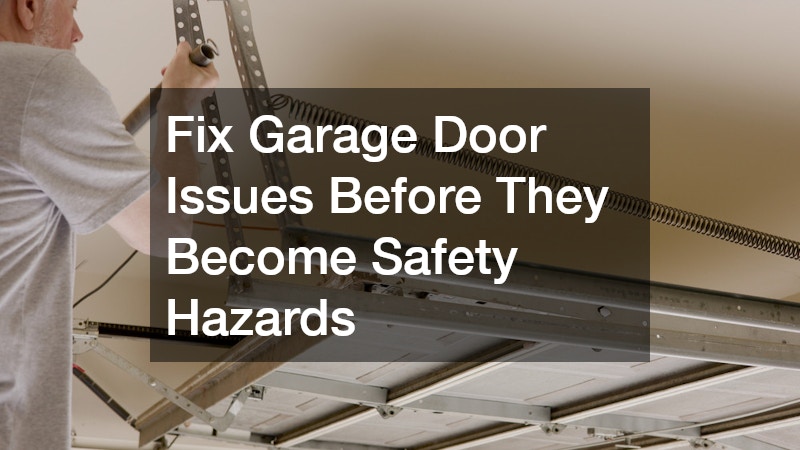
The garage door is one of the largest moving parts in most homes. Despite its size and weight, it’s often used several times every day without much thought.
Over time, however, mechanical components experience wear. Springs stretch, rollers accumulate dirt, and tracks gradually shift out of alignment.
Early warning signs often appear long before complete failure.
You might notice the door moving unevenly or making new noises. Perhaps it pauses halfway or closes more slowly than it once did. These small changes are worth paying attention to.
Routine maintenance can keep systems operating smoothly. Homeowners should occasionally:
- Inspect tracks for debris or obstruction
- Lubricate rollers and hinges with appropriate products
- Tighten visible hardware
Another important safety check involves the door’s automatic reverse system. Modern garage doors are designed to stop and reverse if they encounter resistance.
Testing this feature periodically helps ensure it functions properly.
Ignoring these warning signs can eventually lead to mechanical failure. When springs snap or cables break, the door’s heavy weight can become dangerous.
In situations involving damaged springs, cables, or openers, professional garage door repair is often the safest solution. These components operate under high tension and require specialized tools.
Addressing minor issues early keeps the system reliable and prevents sudden breakdowns.
Maintain Indoor Surfaces That Collect Dust and Allergens
Indoor air quality often receives less attention than structural maintenance, yet it plays a major role in comfort and health.
Many homes contain rugs and carpets that quietly accumulate dust, pollen, and microscopic debris over time. Even with regular vacuuming, particles can settle deep within fibers.
Eventually, homeowners may begin to notice subtle signs that surfaces need deeper care:
- Persistent odors that linger after cleaning
- Allergy symptoms appearing indoors
- Dull or flattened areas in high-traffic zones
Professional rug cleaners use specialized equipment that extracts debris from deep within fibers, restoring both appearance and cleanliness.
However, routine homeowner care still plays an important role in maintaining indoor surfaces.
Simple habits can significantly extend the life of rugs:
- Vacuum frequently using a high-quality filter
- Clean spills immediately to prevent stains
- Rotate rugs occasionally to distribute wear
Homes with pets or children may require more frequent deep cleaning.
Beyond appearance, maintaining clean surfaces reduces the amount of airborne allergens circulating through the home. This contributes to healthier indoor environments and can improve comfort for individuals with respiratory sensitivities.
Addressing buildup early prevents long-term damage to delicate fibers and keeps living spaces feeling fresh.
Keep Construction Waste and Clutter From Creating Hazards

Home projects—whether large or small—tend to generate surprising amounts of debris. Broken drywall, old cabinetry, roofing materials, and yard waste can accumulate quickly during repairs.
When waste piles up around a property, it creates both safety risks and logistical challenges.
Sharp materials left on the ground can injure people or pets. Cluttered work areas make it harder for contractors or homeowners to complete tasks efficiently.
Planning waste management before starting a project helps prevent these problems.
For small projects, regular trash removal may be sufficient. However, larger renovations often require more organized disposal solutions.
In these cases, a roll off dumpster can simplify cleanup dramatically. Instead of hauling debris repeatedly to local disposal sites, materials can be placed directly into the container throughout the project.
This approach keeps the worksite safer and more organized.
Efficient debris management also helps homeowners separate recyclable materials from landfill waste, which can reduce environmental impact.
Whether tackling a roofing project, yard overhaul, or interior renovation, thinking about waste removal early makes the entire process smoother.
Declutter Regularly to Keep Your Home Functional
Clutter doesn’t usually appear overnight. It grows gradually—an extra box in the garage, unused furniture stored in the basement, clothes accumulating in closets.
Over time, these items can create more than just visual chaos.
Crowded storage areas make it difficult to inspect plumbing lines, electrical panels, or structural components. In some cases, clutter can even hide developing problems such as leaks or pest activity.
Regular decluttering helps keep homes functional and easier to maintain.
One effective approach is to divide belongings into three categories:
- Items used regularly
- Items that could be donated
- Items that should be discarded
Many communities offer charitable organizations where unwanted items can benefit others. A local donation center often accepts furniture, clothing, appliances, and household goods that are still in good condition.
Donating unused items not only frees up valuable space but also supports local families and nonprofit programs.
Homeowners who maintain organized storage areas find it much easier to perform routine inspections and respond quickly when problems appear.
Keeping spaces accessible allows maintenance tasks to remain simple rather than becoming major undertakings.
Small Repairs Today Prevent Major Headaches Tomorrow
Homeownership involves an ongoing relationship with the building itself. Like any complex system, a house performs best when small issues are addressed promptly rather than ignored.
Minor cracks, unusual noises, moisture smells, or mechanical changes rarely resolve themselves. Instead, they quietly progress until they demand greater attention.
Fortunately, homeowners who develop simple habits—walking the property, checking systems seasonally, and responding to early warning signs—can avoid many costly surprises.
These proactive steps help maintain structural integrity, improve safety, and create more comfortable living spaces.
In the long run, the most effective home maintenance strategy is simple: pay attention early, act quickly, and treat small problems as opportunities to protect your home before they grow.