
Healthy trees are one of the most valuable parts of any property. They provide shade, improve air quality, increase curb appeal, and even raise property value. However, trees also require ongoing care to remain safe and structurally sound. When neglected, they can become unstable, diseased, or hazardous during storms and high winds.
Tree safety isn’t just about appearance—it’s about preventing property damage, avoiding personal injury, and ensuring long-term landscape stability. With proper maintenance and timely intervention, most tree problems can be prevented long before they become emergencies.
This guide explains how to monitor tree health, maintain structural integrity, and work with professionals to keep your trees both beautiful and safe.
1. Recognizing Early Signs of Tree Stress and Decline
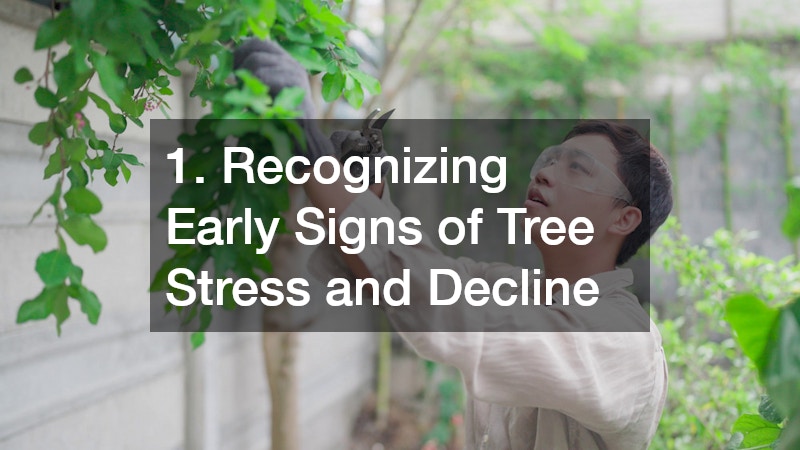
Trees rarely fail without warning. Instead, they show gradual signs of stress that often go unnoticed until the problem becomes serious. Learning to identify these early indicators is the first step in preventing damage.
Professional evaluation from arborists is often necessary when symptoms are unclear, as trained experts can identify hidden issues such as root decay or internal disease that homeowners may miss.
Regular monitoring supported by tree care services helps ensure problems are addressed before they become safety hazards.
Key warning signs to watch for:
- Cracked or peeling bark
- Dead or falling branches
- Leaning trunks or sudden shifts in posture
- Sparse or discolored leaves during the growing season
- Fungus or mushrooms growing near the base
- Soil lifting or root exposure
Why early detection matters:
- Prevents sudden tree failure during storms
- Reduces long-term maintenance costs
- Helps preserve healthy surrounding vegetation
- Minimizes risk to structures and people
Catching these issues early allows for targeted care instead of full removal, preserving the tree whenever possible.
2. Proper Pruning and Trimming for Structural Strength
Regular maintenance is essential for keeping trees structurally sound and balanced. Without it, branches can grow unevenly, become too heavy, or develop weak attachment points that increase the risk of breakage.
Routine tree trimming helps manage shape and weight distribution, reducing stress on major limbs and improving overall stability. Meanwhile, more precise tree pruning focuses on removing specific branches to encourage healthy growth and prevent overcrowding.
Best practices for safe pruning and trimming:
- Remove dead, damaged, or diseased branches first
- Thin crowded areas to improve airflow and sunlight
- Avoid removing more than 25% of the canopy at once
- Make clean cuts to prevent bark tearing or infection
- Focus on balance rather than over-shaping
When pruning is most effective:
- Late winter or early spring for most tree species
- After storms, remove damaged limbs
- During routine annual maintenance cycles
Proper pruning not only improves appearance but also reduces the likelihood of storm-related breakage and long-term structural weakness.
3. Choosing Reliable Professionals for Tree Maintenance
Proper tree care requires knowledge, experience, and the right equipment. While basic maintenance can sometimes be done by homeowners, larger or more complex trees require professional attention.
Working with experienced tree companies ensures that trees are evaluated and maintained according to industry safety standards. These professionals understand how to manage both healthy growth and hazardous conditions.
In many cases, local tree services provide the added benefit of familiarity with regional weather patterns, soil conditions, and common tree species, allowing for more tailored care.
How to choose a qualified provider:
- Verify licensing and insurance coverage
- Ask about experience with similar tree species
- Review customer feedback and past project examples
- Confirm safety procedures and equipment standards
- Request a written maintenance plan if ongoing service is needed
Benefits of professional care:
- Reduced risk of improper pruning damage
- Early detection of disease or instability
- Safer handling of large or difficult trees
- Long-term maintenance planning
- Improved overall landscape health
Professional involvement ensures that trees remain both safe and well-maintained throughout the year. Regular assessments by arborists can identify potential hazards, such as disease or structural weaknesses, allowing for timely interventions. Additionally, proper pruning techniques can promote healthy growth and enhance the tree’s aesthetic appeal. By prioritizing professional care, we not only protect the trees themselves but also ensure the safety of our surroundings and the well-being of the community.
4. Handling Dangerous Trees and Emergency Situations
Some tree issues require immediate attention due to safety risks, especially because trees can shift from stable to hazardous conditions very quickly. Storm damage is one of the most common triggers, as high winds, heavy rain, or lightning can weaken branches or compromise the trunk structure in ways that are not always visible right away. Disease can also progress internally, hollowing out sections of the tree while leaving the outer canopy appearing relatively normal. Structural failure may develop gradually or occur suddenly when weakened wood can no longer support the weight of the canopy.
In urgent situations, tree removal services may be necessary to eliminate immediate danger to homes, vehicles, or people. This is often the safest option when a tree has already lost structural integrity or is leaning dangerously toward buildings, driveways, or utility lines. These situations frequently occur after severe weather events, but they can also result from long-term decay that finally reaches a critical point. Removing the hazard quickly helps prevent secondary damage, such as falling limbs causing roof or fence destruction.
For more urgent and unpredictable cases, emergency tree services are essential for rapid response and hazard control. These services are typically equipped to handle unstable trees under dangerous conditions, including nighttime emergencies or post-storm scenarios where access and visibility may be limited. A fast response is crucial because unstable trees can shift further at any moment, increasing the risk of collapse.
Signs a tree may be dangerous:
- Large hanging or broken branches: These can fall without warning, especially during wind or additional stress on the tree.
- Sudden leaning after storms or high winds: A new or increased lean often indicates root failure or compromised structural support.
- Visible trunk splitting or deep cracks: Structural cracks weaken the tree’s core and significantly increase the risk of breakage.
- Root system lifting from the ground: Exposed or raised roots suggest the tree is losing its anchor in the soil.
- Dead canopy with no signs of new growth: A fully or mostly dead canopy may indicate severe internal decline or complete loss of vitality.
Emergency response guidelines:
- Stay clear of unstable trees or branches: Maintaining distance reduces the risk of injury from unexpected falls or shifts.
- Avoid attempting DIY removal of large limbs: Without proper equipment and training, removal can be extremely dangerous and unpredictable.
- Secure the surrounding area if possible: Blocking off access helps prevent others from entering a hazardous zone.
- Contact professionals immediately for assessment: Trained specialists can evaluate stability and determine the safest course of action.
Prompt action during emergencies helps prevent property damage and reduces the risk of injury by ensuring unstable trees are addressed quickly, safely, and with the appropriate level of expertise.
5. Working With Local Experts for Ongoing Tree Care
Consistent maintenance is one of the most effective ways to keep trees safe and healthy because it allows small issues to be identified and corrected before they escalate into structural or safety risks. Trees change gradually over time, and without regular observation, early warning signs like weak branch unions, subtle leaning, or early pest activity can go unnoticed until they create significant hazards. Establishing a long-term relationship with local professionals also means the tree’s history is known, making it easier to track changes and spot developing problems more accurately.
A trusted local tree company can provide ongoing assessments, maintenance schedules, and preventive care strategies tailored to the specific environment and tree types in the area. This localized expertise is especially valuable because trees respond differently depending on soil conditions, rainfall patterns, temperature fluctuations, and common regional pests. With consistent care from professionals who understand these variables, maintenance becomes more proactive rather than reactive, reducing the likelihood of emergency interventions.
Advantages of local expertise:
- Faster response times for inspections and emergencies: Local professionals can quickly assess damage after storms or sudden changes in tree stability, reducing risk to property and people.
- Familiarity with regional climate challenges: Understanding seasonal weather patterns helps anticipate stress points such as drought conditions, heavy rainfall, or high winds.
- Better understanding of soil and growth conditions: Soil composition and drainage directly impact root health, and local experts can adjust care practices accordingly.
- Easier scheduling for seasonal maintenance visits: Regular visits can be coordinated around optimal pruning and inspection windows specific to the local environment.
- Long-term consistency in care recommendations: Ongoing monitoring by the same team ensures continuity in treatment plans and more accurate tracking of tree health over time.
Recommended maintenance schedule:
- Annual health inspections: Comprehensive evaluations help detect disease, structural weakness, and pest activity early.
- Seasonal pruning and trimming: Adjusting canopy structure throughout the year supports balanced growth and reduces storm-related risks.
- Post-storm evaluations: After severe weather, trees should be checked for hidden damage such as cracked limbs or root disturbance.
- Periodic soil and root assessments: Evaluating underground conditions ensures the tree’s foundation remains stable and well-nourished.
Ongoing care from local professionals helps prevent small issues from developing into major safety concerns by ensuring trees remain structurally sound, properly maintained, and continuously monitored throughout all stages of growth and seasonal change.
6. Managing Large Properties and Vegetation Overgrowth Safely
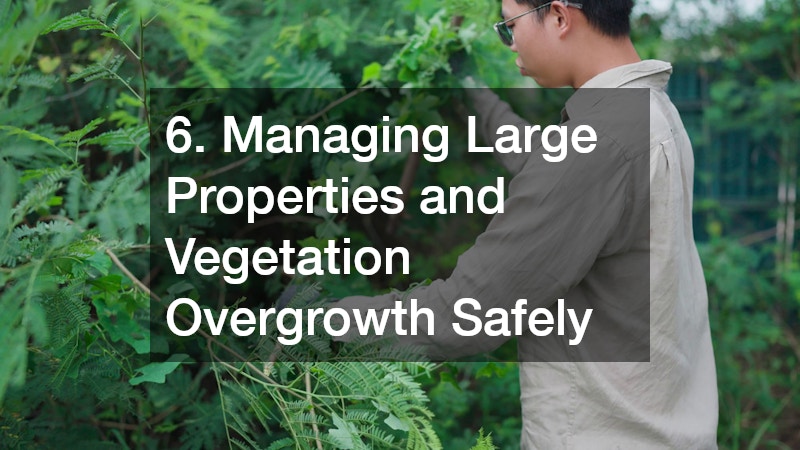
For larger properties, maintaining tree health often includes managing surrounding vegetation and preventing overcrowding. When trees are too close together or surrounded by unmanaged brush, they begin competing for essential resources like sunlight, water, and soil nutrients. Over time, this competition weakens overall tree health, slows growth, and can make even strong trees more vulnerable to disease and storm damage. Dense vegetation also increases humidity levels within the canopy, which can encourage fungal growth and pest infestations. In storm-prone areas, overcrowding becomes even more dangerous because tightly packed trees are more likely to fall in clusters or cause cascading damage when one tree fails.
In these situations, land clearing companies play an important role in safely removing excess vegetation while preserving healthy, stable trees. Their expertise ensures that clearing is done strategically rather than excessively, which is critical for maintaining ecological balance on the property. Proper clearing is not simply about removing as much growth as possible—it is about selectively improving space, airflow, and sunlight exposure so that remaining trees can strengthen and thrive. Professional crews also understand how to work around sensitive root systems and avoid unnecessary disturbance to established trees.
Key steps in large-scale tree and land management:
- Identify overgrown or invasive vegetation: This includes fast-spreading species, dense underbrush, and competing saplings that reduce resources available to mature trees.
- Remove dead or unstable trees first: Eliminating hazardous or decaying trees reduces immediate risk and prevents them from affecting surrounding healthy vegetation.
- Preserve healthy, mature trees whenever possible: Priority is given to long-standing trees with strong structure and stable root systems that contribute most to the landscape.
- Maintain soil stability during clearing operations: Careful equipment use and controlled removal help prevent soil compaction and erosion, which can damage remaining trees.
- Plan long-term landscape structure before removal begins: A clear layout ensures that cleared areas support future growth patterns rather than creating uneven or unstable spacing.
Safety considerations:
- Avoid removing vegetation without a clear plan: Unstructured clearing can unintentionally destabilize healthy trees or disrupt the natural balance of the property.
- Prevent soil erosion after clearing: Exposed soil should be stabilized quickly to avoid nutrient loss and root exposure from wind or water runoff.
- Protect root zones of nearby healthy trees: Heavy equipment and digging should be carefully managed to avoid damaging critical root systems that support tree stability.
- Use professional equipment for large-scale work: Proper machinery allows for controlled removal and reduces the risk of accidental damage to surrounding vegetation.
Proper land management supports long-term tree health and reduces environmental stress on remaining vegetation by improving resource distribution, enhancing structural stability, and creating a more sustainable growing environment overall.
Conclusion
Keeping trees healthy and safe requires a combination of observation, maintenance, and professional support. From early detection of stress symptoms to regular pruning and emergency intervention when necessary, each step plays an important role in preventing hazards and preserving tree health.
By staying proactive and working with experienced professionals when needed, property owners can ensure their trees remain strong, stable, and beneficial for years to come.